Your nails do not breathe. They cannot, because a nail plate is dead keratin, the same basic material as hair, with no lungs, pores, or blood supply of its own. The living part sits underneath, in the nail bed, and it gets everything it needs from your bloodstream, not from the air. Yet the idea that nails need a break to breathe refuses to die, and it causes real confusion in Granite Quarry and everywhere else: people take polish off for the wrong reason, and leave it on through the thing that actually does damage.
That does not mean breaks are useless. It means a break only fixes specific problems, and knowing which ones saves you from both needless bare months and needless damage.
What a nail actually is
The plate you see is compacted, hardened cells produced by the matrix under the cuticle. By the time nail emerges, it is not alive. Oxygen does not pass through it to feed anything, and covering it with gel or polish does not suffocate the bed below. What coatings do change is moisture balance and flexibility. Polish and enhancements act as a seal, which can actually help weak nails by holding in moisture and adding thickness. Problems start elsewhere: with forceful removal, with product lifted and trapping moisture underneath, and with a plate thinned by over-filing.
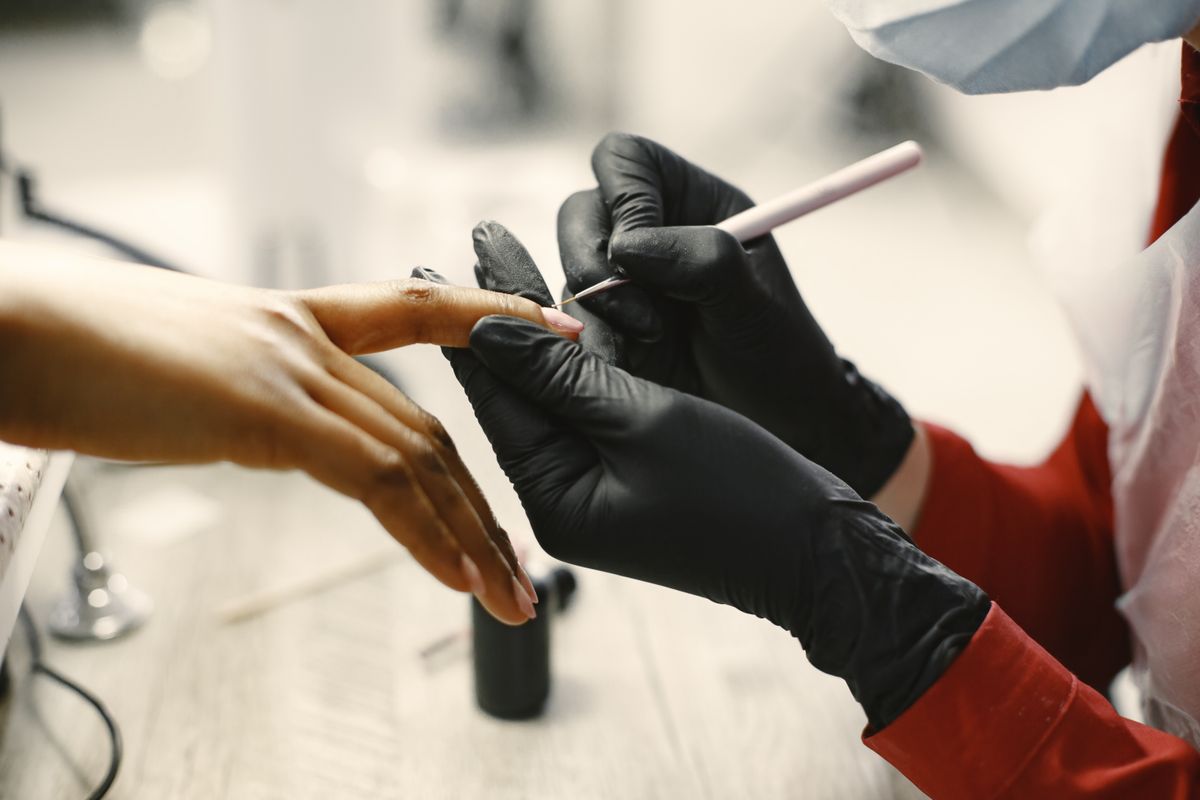
A year of wear, rest, and what each season actually asks
The calendar frame assigned to this topic is useful, because nail needs in North Carolina genuinely shift with humidity, yard work, and holiday schedules, even if breathing is not one of them.
| Period | What is happening | Sensible move |
|---|---|---|
| January to March | Dry heated air, brittle nails, more breakage at the tips | Keep a coating on for protection if nails are weak; oil cuticles daily. No break needed for breathing. |
| April to June | Gardening, cleaning, and pollen season put hands in soil and water | Wear gloves for yard work. Check under any lifted edges weekly; trapped moisture is the real risk. |
| July to September | Humidity, pools, and lake days soften nails and loosen product | Shorter lengths hold up better. Remove and redo a set that has lifted rather than pressing it back down. |
| October to December | Holiday sets back to back, more removals in a short window | Space removals, soak off properly every time, and take one bare week if plates feel thin or bendy. |
| Any time | White patches, peeling layers, or soreness after removal | This is the true break signal: go bare, keep nails short, oil daily, and let damaged plate grow out. |
Damage from removal versus damage from wear
Hold the two apart and the myth clears up. Wear damage is slow and mostly cosmetic: a chip, a lifted corner, a stain from dark polish without a base coat. Removal damage is the serious kind. Prying off gel tears keratin layers away, and aggressive filing thins the plate so the nail flexes and breaks for months while it grows out. A fingernail takes several months to replace itself from cuticle to tip, so one rough removal in October is still growing out in February.
A break fixes removal damage by giving the plate time and protection, shorter length, oil, no new product bonded to a torn surface. A break does nothing for a healthy nail under a well-kept set, and going bare with weak, brittle nails in winter can actually lead to more breakage, since the coating was doing protective work.
So, do you need a break?
Ask three questions at Bella Salon & Spa. Do my nails feel thinner or more flexible than they used to? Are there white, rough patches where product came off? Did the last removal involve prying, peeling, or pain? A yes to any of those means a short break, one to three weeks bare with oil and a trimmed length, will do real good. Three no answers mean your set can continue, provided removal stays patient and the technician is not filing into the plate. The break is medicine for a specific condition, not a scheduled fast.
Common questions
Can nails absorb anything through the plate?
Oils can penetrate the surface slightly and improve flexibility, which is why cuticle oil helps. That is absorption of moisture and oil, not breathing, and it works fine around polish if you oil the cuticle area daily.
Why do my nails look better after a week bare?
Usually because you have been moisturizing them and not exposing them to water and chemicals unprotected, and surface dehydration from acetone has faded. The improvement is moisture, not air.
How long should a damage break last?
For surface peeling and thinness, two to four weeks of short, oiled, bare nails helps, but full replacement of damaged plate takes months of growth. Severe or painful damage should be looked at before new product goes on.
Photos in this guide are representative stock images.
← All guides from Bella Salon & Spa← Back to Bella Salon & Spa