An ingrown toenail starts small: the edge of the nail presses into the skin beside it, the skin gets sore, and walking in a closed shoe turns into a negotiation. Left alone, pressure becomes a break in the skin, a break becomes an infection, and a problem that prevention could have handled in seconds becomes a medical appointment. This is also where salon care has a hard limit, and knowing that limit, in Granite Quarry as anywhere, is what keeps a pedicure helpful instead of harmful.
How an ingrown nail actually develops
The big toenail is the usual site, because it is the widest nail and takes the most shoe pressure. Three causes account for most cases. Cutting the nail in a deep curve, or tearing corners off, leaves a sharp spur that grows forward into the skin. Shoes that squeeze the toes push skin up against the nail edge all day. And a stubbed toe or a nail thickened by fungus changes the shape so the edge no longer clears the fold. Once the skin is pierced, normal foot bacteria get in, and redness, swelling, and pus follow quickly in the warm, damp inside of a shoe.
Prevention that actually works
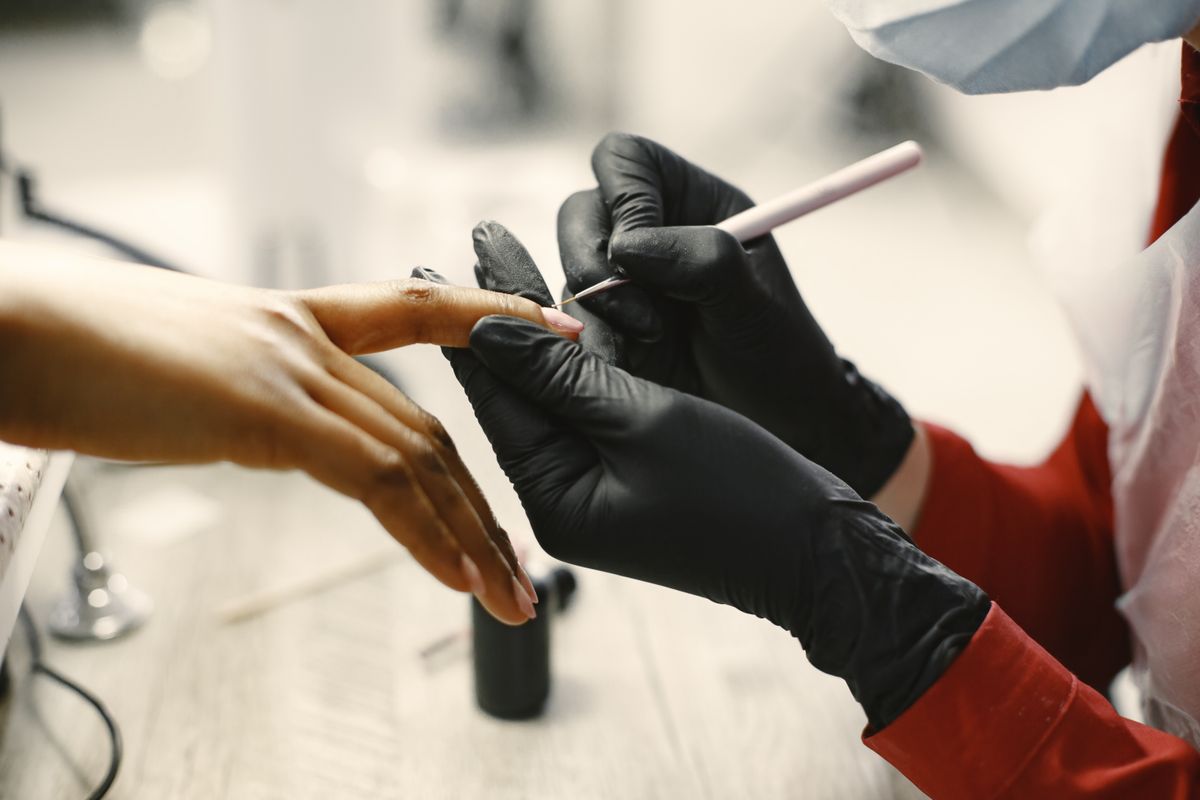
Cut toenails straight across, leaving the corners visible and the length roughly even with the tip of the toe, then soften the very corner with one light pass of a file. Never cut down the sides to make the nail look narrower, and never use pointed tools to clean deep under the corner. Choose shoes with a toe box that lets toes lie flat without stacking, especially for work boots and running shoes, and trim nails more often rather than shorter: a nail trimmed every two weeks to the same safe length never gets the leverage inside a shoe that a neglected, overlong nail does. After sports or long shifts, wash and dry feet properly, since softened, swollen skin is easier for a nail edge to cut into.
The limit of salon care, stated plainly
A pedicure prevents ingrowns by keeping length, shape, and surrounding skin in good order. It does not treat one. At Bella Salon & Spa, as at any careful salon, a technician should not excavate an embedded corner, cut a V into the nail, or work on a toe that is red, hot, swollen, or draining. Those moves can push bacteria deeper, and the tools and training for an infected nail belong to a podiatrist, who can remove the offending edge properly and prescribe treatment if needed. A salon that refuses and refers you on is protecting you.
When waiting makes it worse
The cost of neglect here is measured in stages, not money, and it moves fast. Day one soreness becomes a throbbing toe that changes how you walk, which then strains knees and back. A simple infection, untreated, can spread into the surrounding tissue, and for anyone with diabetes or poor circulation, a small foot wound can become a serious ulcer risk surprisingly quickly. Those readers should skip home treatment entirely and call a doctor at the first sign. For everyone else: warm soaks and leaving the nail alone are reasonable for mild, early soreness for a day or two. Spreading redness, pus, red streaks, fever, or no improvement in 48 hours means the home phase is over.
Common questions
Can I lift the corner and put cotton under it?
That old advice helps only the mildest early cases and can introduce bacteria if done with unclean tools or hands. If the toe is already red or painful, skip it and get the nail looked at properly.
Should I cut a notch in the middle of the nail?
No. The idea that a V notch draws the edges inward is a myth; the nail grows from the base and a notch changes nothing except weakening the plate. Straight cutting and proper shoe fit are the real prevention.
How do I know it is infected and not just sore?
Infection signs are increasing pain after the first day, visible pus, swelling that spreads, red streaks moving up the toe, and warmth. Any of those, or diabetes, means a doctor or podiatrist, not another soak.
Photos in this guide are representative stock images.
← All guides from Bella Salon & Spa← Back to Bella Salon & Spa